South Africa
14 Uitenhage Road, North End, Port Elizabeth, South Africa, 6001
+27 41 811 9729 Email Us
14 Uitenhage Road, North End, Port Elizabeth, South Africa, 6001
+27 41 811 9729 Email Us


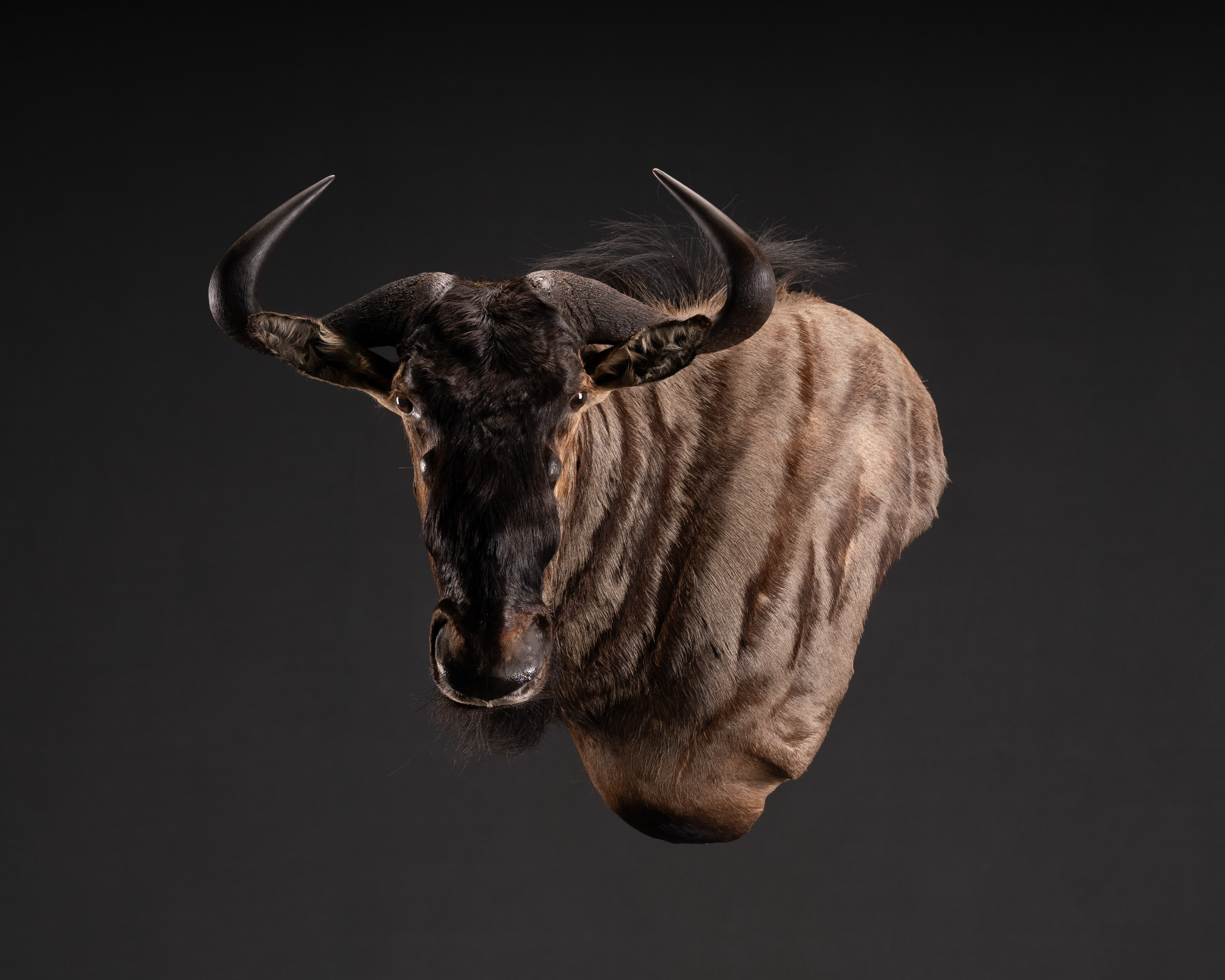
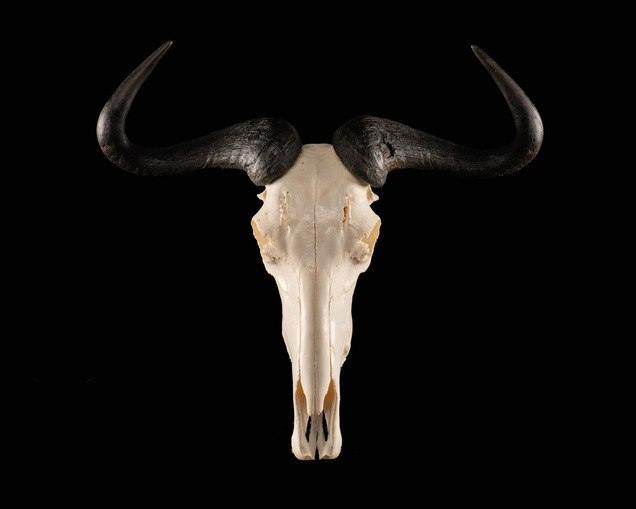
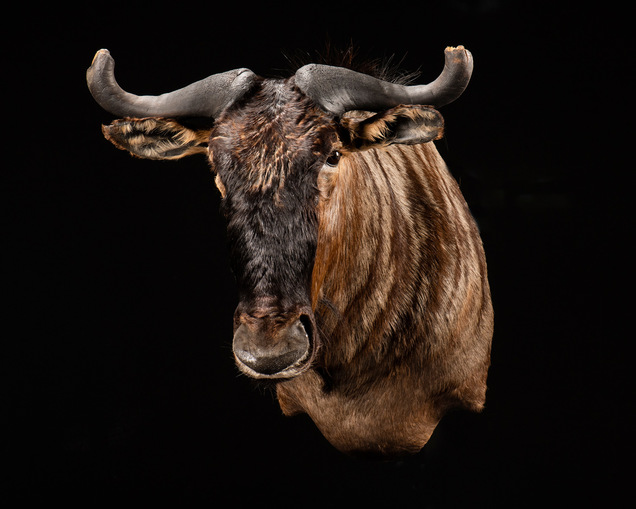
The Blue Wildebeest, with its distinctive horns is known for stamina and beauty and is renowned as one of Africa's iconic migratory species.
They are also recognized for their endurance and cheeky behaviour.
While the blue wildebeest and black wildebeest are closely related antelope species, their appearances, behaviour and habitat have clear differences. Blue wildebeest have a dark, silver-grey appearance, with dark vertical bands on the front quarters and a long black mane. Their horns are short and curve laterally similar to a Cape Buffalo. The black wildebeest's horns are forward-curving. Blue wildebeest are also bigger than black wildebeest. Black wildebeest, on the other hand, have a dark brown to black body, an erect mane, and a long whitish tail - often referred to as the White-tailed Gnu.
They are called blue wildebeest due to the silvery-blue sheen of their coat.
Blue wildebeest males can weigh up to 290kg and reach around 140cm at the shoulder height, while females are typically smaller, weighing up to 230kg.
Generally, blue wildebeest are shy, timid creatures, but they can become aggressive, especially males during mating season.
Blue wildebeest are known for their speed, reaching speeds of 80 kilometres per hour, and maintaining those speeds for longer periods compared to many other antelopes. This is influenced by having longer front legs and shorter powerful hind legs.