South Africa
14 Uitenhage Road, North End, Port Elizabeth, South Africa, 6001
+27 41 811 9729 Email Us
14 Uitenhage Road, North End, Port Elizabeth, South Africa, 6001
+27 41 811 9729 Email Us


A Jackal has a slender build, sharp features, intelligent behaviour, and is a cunning and adaptable predator. Recognized for their resourcefulness and elusive nature, Jackals make a fascinating and distinctive trophy. As they are curious by nature, hunters will often use a predatory call to try and bring them closer.
When a Jackal is put under pressure by disease or over-hunting, they often adapt themselves and breed at a fast rate to secure the future of their species.
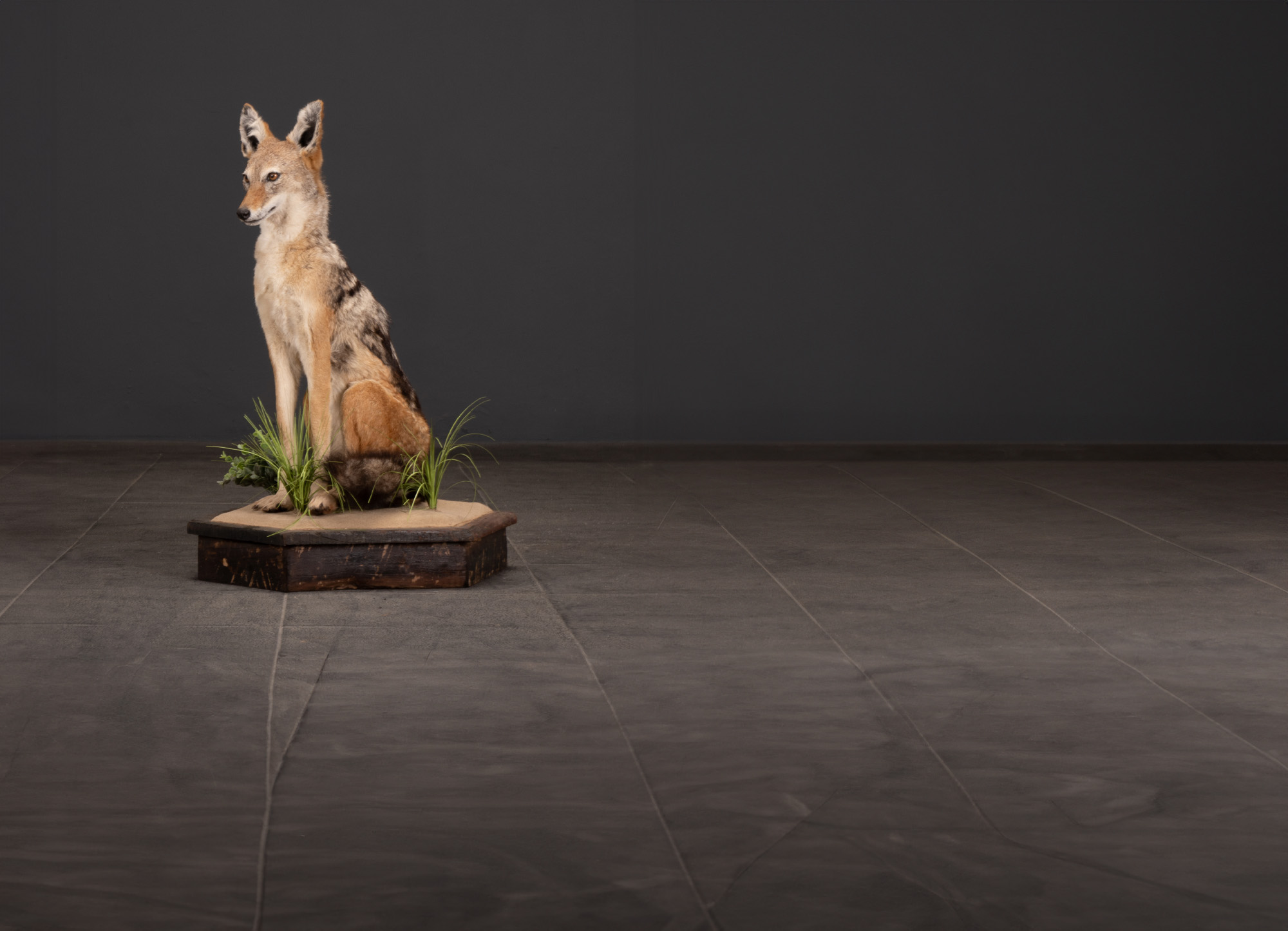
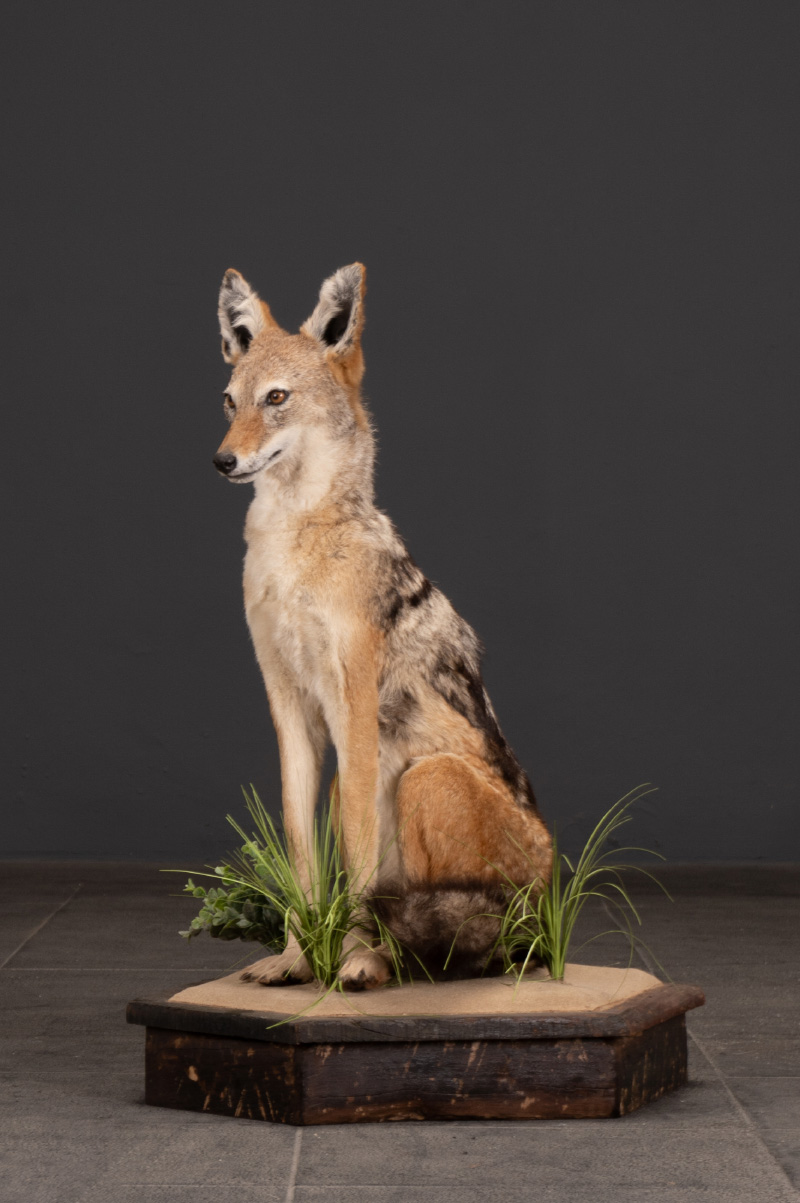
A full mount of the jackal captures its agile form, keen eyes, and natural stance. Perfect for creating an immersive display, this option showcases the Jackal in a lifelike pose, emphasizing its cunning and adaptability.
Jackals and foxes both belong to the Canidae (dog) family, but they differ in appearance and behaviour. Typically, foxes are smaller, with a distinct bushy tail, whereas Jackals are closer to wolves in appearance and are more intelligent.
No, jackals and hyenas are different animals, despite their similarities in appearance. Jackals are part of the Canidae (dog) family, whereas hyenas are part of the Hyaenidae (closer to cats) family.
Jackals cry primarily for communication with their packs. Their vocalisations include yipping, howling, barking, or high-pitched wailing as a way to signal danger, keep in touch, notifying if a kill has been made, or to locate one another.
Typically, jackals will not attack humans unless threatened or protecting their young. If an attack does occur unprovoked, the likely cause would be attributed to rabid animals.
Jackals hold strong pack values and are one of the few mammalian species that mate for life. They are also renowned for their strength, durability, speed and agility.