South Africa
14 Uitenhage Road, North End, Port Elizabeth, South Africa, 6001
+27 41 811 9729 Email Us
14 Uitenhage Road, North End, Port Elizabeth, South Africa, 6001
+27 41 811 9729 Email Us


The Elephant, with its enormous size, striking tusks, and intelligent demeanour, is one of the most majestic and respected animals in Africa. Recognized for their impressive size and iconic status, Elephants make a breathtaking and commanding part of any exhibit.
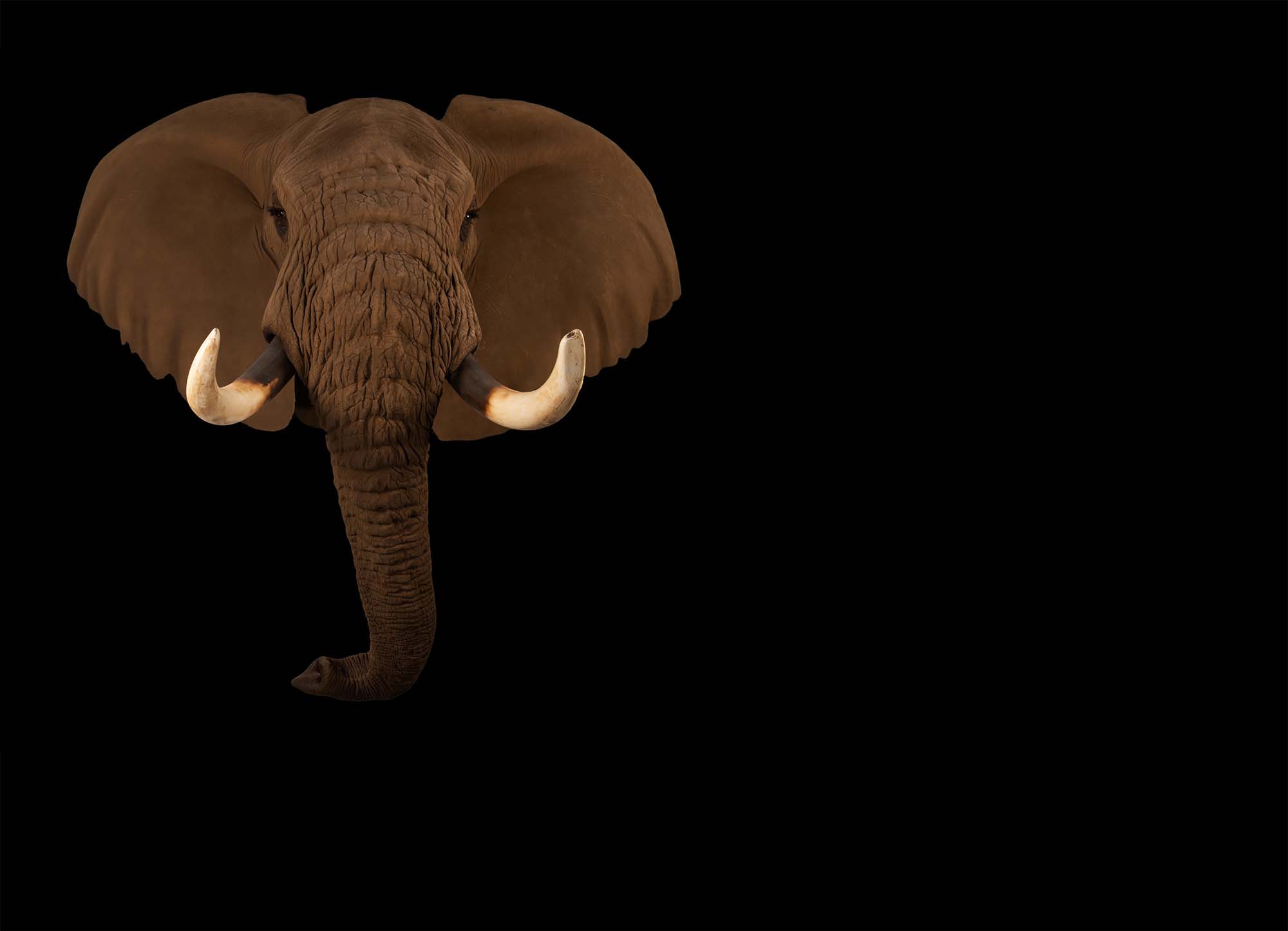
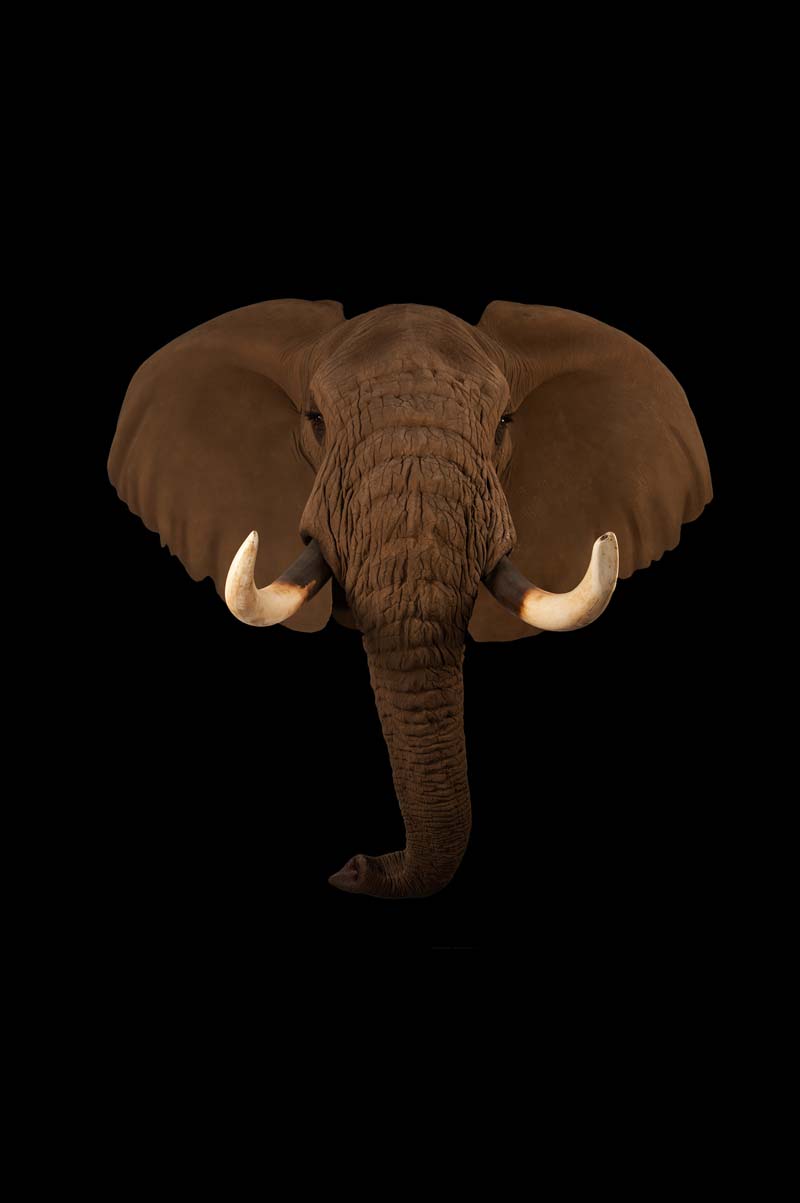
A shoulder mount of the Elephant captures its massive ears, trunk and impressive tusks. Ideal for large exhibition spaces or trophy rooms, a shoulder mount requires artificial tusks to be placed inside the mount, which allows you to use the original tusks for another display purpose. The most popular option is tusks on a pedestal or on a copper chain hanging from the wall.
The time frame for an elephant taxidermy mount depends on the type of mount chosen. However, given the sheer size of these extraordinary animals, the taxidermy process can easily take anywhere from 12 months to two year.
Properly preserved taxidermized animals do not decompose; however, if they are exposed to excessive moisture, pests or extreme temperatures, they can begin to deteriorate. Taxidermized animals require regular cleaning and controlled environments to ensure longevity.
Yes, elephants did originate in Africa. The oldest known elephant ancestor is Epithelium, which lived in what is now Morocco roughly 60 million years ago.
In the wild, many African elephants tend to live well into their 50s and 60s, with females typically living longer than males.
African elephants differ significantly from Asian elephants in features, temperament, and habitat. The African elephant is typically larger, with a fuller and more rounded body. Their ears a large and resemble the shape of the African continent. Both male and female African elephants have tusks, and their trunks have two finger like extentions for grasping. Asian elephants, on the other hand, are smaller overall, with smaller, rounder ears. Asian elephants have smoother skin compared to African elephants, and typically, only male Asian elephants have tusks, while the females have small, or often, no tusks.